July 27, 2026
Trees add beauty, shade, and environmental benefits to homes and communities, but they can become vulnerable when severe weather arrives. Strong winds, heavy rainfall, lightning, and ice accumulation can place significant stress on branches, trunks, and root systems. Taking the right steps before, during, and after a storm can help reduce damage and protect trees for years to come.
Storm preparation is not only about preventing broken limbs or fallen trees. It is also about understanding tree health, identifying potential hazards, and knowing when professional assistance is needed. By creating a proactive maintenance plan and responding quickly after severe weather, property owners can help preserve their landscapes while keeping surrounding areas safer.
Understanding Storm Risks for Trees
Storms can affect trees in different ways depending on weather conditions, tree species, and the surrounding environment. High winds may break branches or weaken trunks, while heavy rain can saturate the soil and reduce root stability. Ice storms create another challenge by adding excessive weight to branches, increasing the likelihood of cracks and breakage.
Understanding the risks in your area is an important part of storm preparation. Trees growing in open spaces may experience more wind exposure, while trees located near buildings, driveways, or power lines may create additional safety concerns if damaged. Paying attention to local weather patterns and recognizing common storm threats allows homeowners to take preventative action before problems develop.
Regular inspections can also help identify trees that may need additional care. Weak branches, visible cracks, disease, or damaged roots can increase the chances of storm-related failure. Addressing these concerns early can reduce the need for urgent services like emergency tree removal after a major weather event.
Identifying Vulnerable Tree Conditions
Not every tree responds to storms in the same way, and certain conditions can make some trees more likely to suffer damage. Trees with shallow root systems, poor structure, or signs of decay often have a harder time withstanding strong winds and heavy precipitation. Even healthy trees can become vulnerable when they are exposed to repeated environmental stress.
Tree age and overall health also influence storm resistance. Older trees may have stronger root systems and larger trunks, but they can also develop internal weaknesses over time. Younger trees may be more flexible but could require support if they have not yet developed a strong structure.
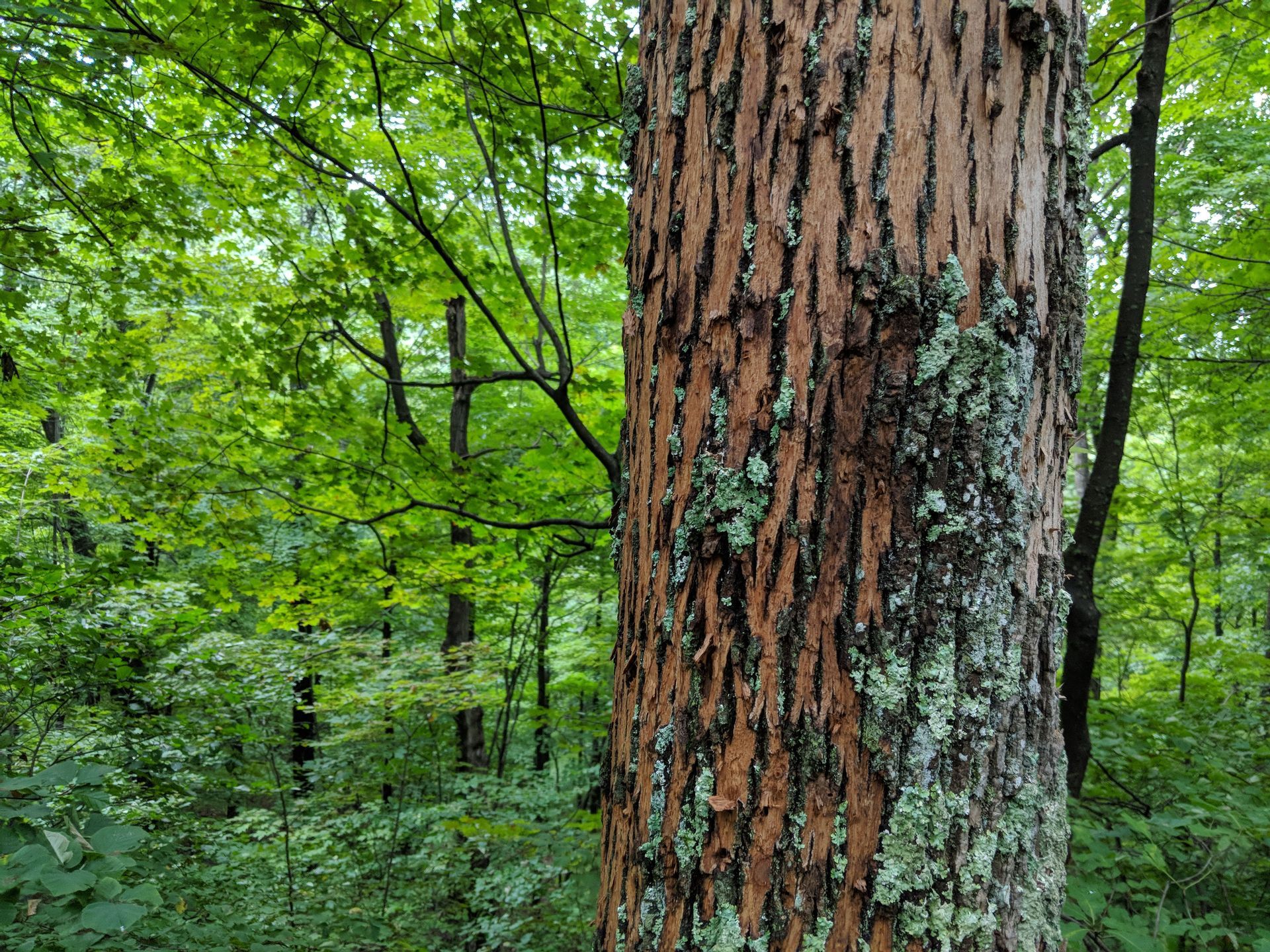
Property owners should look for warning signs such as dead branches, leaning trunks, cavities, or fungal growth around the base of a tree. These issues may indicate structural concerns that should be evaluated before the next storm arrives. According to Wifi Talents, employment opportunities for tree trimmers and pruners are projected to increase by 4.0% annually from 2022 through 2032, showing continued demand for professional tree care services that help maintain healthier landscapes.
Preparing Trees With Preventive Maintenance
Routine tree maintenance is one of the most effective ways to improve storm resistance. Proper pruning removes weak, damaged, or overcrowded branches that could become dangerous during high winds. Maintaining a balanced canopy also helps reduce stress on the tree by improving airflow and encouraging stronger growth.
Preventive care should be performed with the specific needs of each tree in mind. Removing too many branches or using improper pruning methods can create additional problems rather than improving stability. Working with knowledgeable tree professionals ensures that maintenance practices support long-term tree health.
In some cases, additional support methods may help strengthen trees before severe weather occurs. Cabling, bracing, and other structural techniques can provide added stability for trees with specific weaknesses. These preventative steps may reduce the risk of serious damage and help avoid situations where emergency tree removal becomes necessary after a storm.
Protecting Root Systems and Soil Stability
A strong root system plays a major role in helping trees remain stable during storms. Roots anchor trees into the ground and provide access to water and nutrients needed for healthy growth. However, compacted soil, poor drainage, and root damage can weaken this foundation and make trees more likely to fall during extreme weather.
Maintaining proper soil conditions can improve a tree’s ability to withstand heavy rainfall and strong winds. Homeowners can help by avoiding unnecessary soil compaction around root zones and ensuring water drains properly away from the tree. Healthy soil encourages stronger roots, which ultimately supports better storm resilience.
Before severe weather seasons arrive, inspecting exposed roots and addressing drainage concerns can make a noticeable difference. Trees that have been weakened by root problems may require professional evaluation to determine the safest solution. In situations where a damaged tree creates a hazard, emergency tree removal may be needed to protect people and property.
Reinforcing Trees Before Severe Weather
Strengthening trees before a storm involves more than simply trimming branches. Professional assessments can help identify structural weaknesses that may not be visible to the untrained eye. Tree specialists can evaluate branch placement, trunk stability, and overall health to determine whether additional support or maintenance is needed.
Proper reinforcement techniques can help reduce the likelihood of major storm damage. For example, selective pruning can improve balance, while support systems may help stabilize trees with specific structural concerns. These methods are most effective when they are completed before severe weather threatens the area.
Preparing trees ahead of time also helps property owners respond more confidently when storms are forecasted. While no preventative measure can completely eliminate storm risks, consistent care can improve tree strength and reduce potential hazards. If a storm causes unexpected damage despite preparation, professional services may be needed to handle emergency tree removal safely and efficiently.
Responding After Storm Damage Occurs
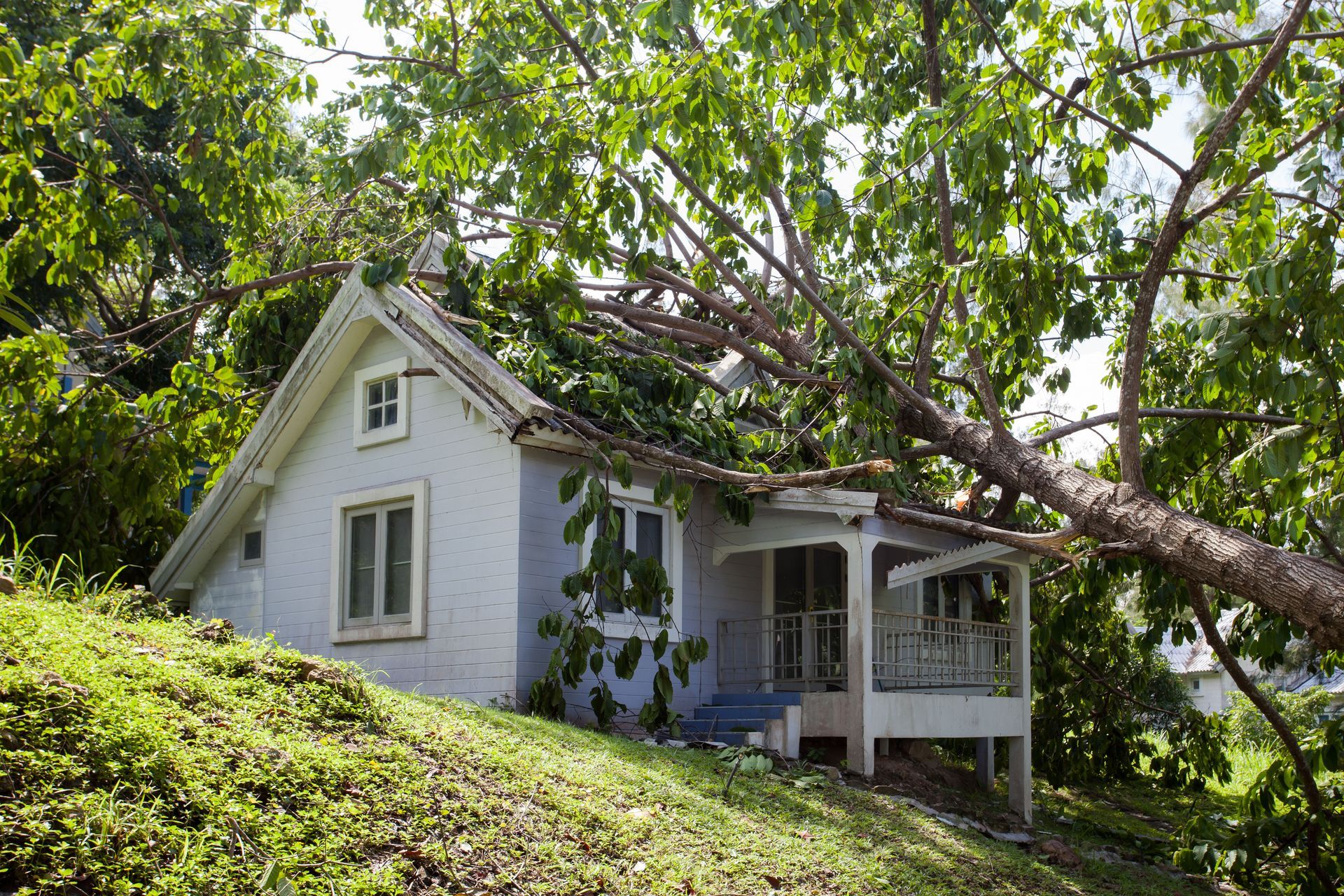
After a storm passes, assessing tree damage should be approached carefully and safely. Broken branches, leaning trunks, and fallen trees can create dangerous conditions, especially when they are near homes, vehicles, walkways, or utility lines. Property owners should avoid attempting repairs that involve climbing damaged trees or handling large unstable branches.
A professional evaluation can determine whether a tree can be restored or whether removal is the safest option. Some trees may only require pruning or corrective care, while others may have suffered damage that threatens their long-term stability. Quick action can help prevent additional property damage and reduce safety concerns.
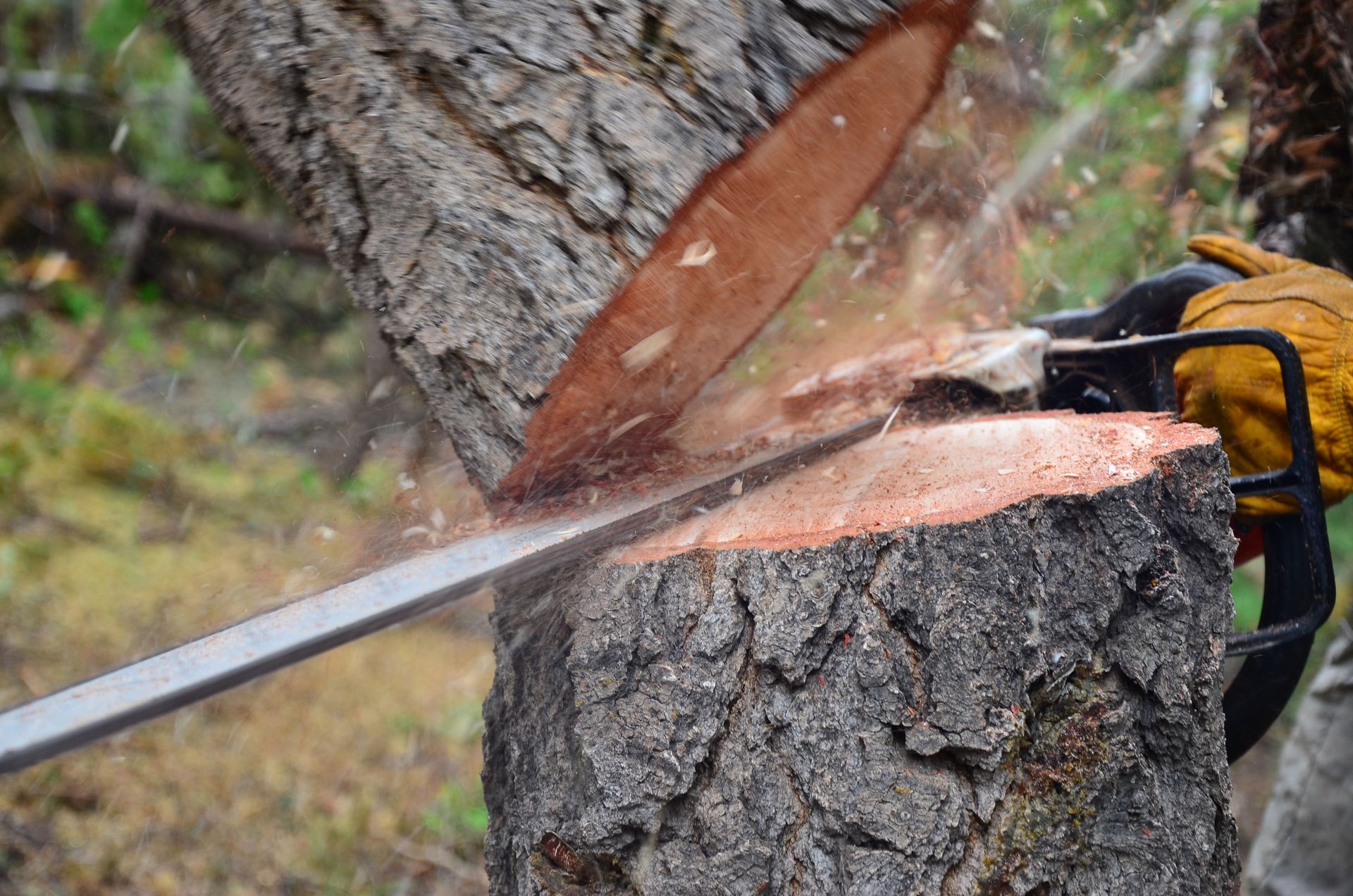
When severe damage occurs, emergency tree removal provides a solution for hazardous trees that cannot be safely preserved. Trained professionals have the equipment and experience needed to remove damaged trees while minimizing risks to nearby structures and surrounding landscapes. Addressing storm damage promptly also helps prevent issues such as pest infestations, decay, and further tree decline.
Maintaining Trees Through Long-Term Care
Protecting trees during storms is an ongoing process that requires consistent attention throughout the year. Regular inspections, proper watering, appropriate pruning, and monitoring for disease all contribute to stronger, healthier trees. A well-maintained tree is generally better equipped to handle environmental stress compared to one that has been neglected.
Long-term tree care also involves making thoughtful decisions about planting and landscaping. Choosing suitable tree species for the environment, providing enough growing space, and considering future growth patterns can help create a more storm-resistant landscape. These choices can reduce future risks while allowing trees to thrive naturally.
Homeowners who invest in professional tree care can better protect their properties and maintain the value of their outdoor spaces. Storm damage is sometimes unavoidable, but preparation and timely response can make a significant difference. When dangerous conditions develop, emergency tree removal can help restore safety and prevent additional complications.
Protecting trees during a storm requires preparation, regular care, and quick response when damage occurs. By maintaining tree health, addressing potential risks, and seeking professional support when needed, property owners can help reduce storm-related hazards and preserve their landscapes. For storm preparation, damage assessment, and emergency tree removal services, contact JMV Professional Tree Service LLC for expert assistance.