April 14, 2026
Overgrown trees can add shade, privacy, and visual appeal to your property—but when left unmanaged, they can quickly become a serious liability. Branches that extend too close to your home can cause structural damage, clog essential drainage systems, and create costly maintenance issues that escalate over time. Homeowners often underestimate how quickly tree growth can impact roofing materials and gutter performance until visible damage appears.
Routine maintenance, especially strategic tree trimming, plays a critical role in protecting your home's exterior. By understanding how overgrown trees interact with your roof and gutters, you can take proactive steps to prevent damage, extend the lifespan of your home systems, and avoid expensive repairs.
Below, we break down the most common ways overgrown trees cause damage—and why professional intervention is often the smartest solution.
Identifying Roof Damage Caused by Overhanging Branches
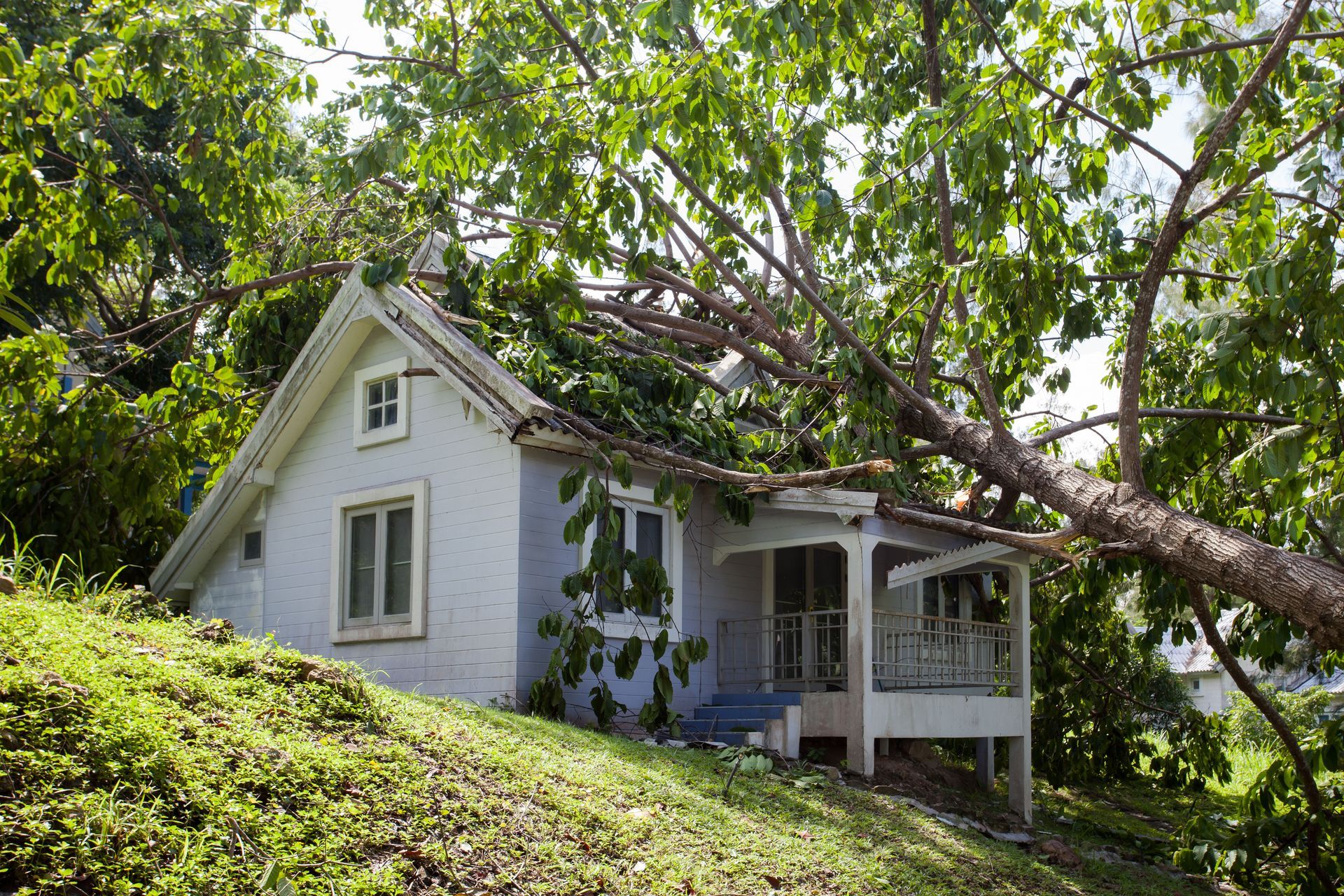
One of the most immediate risks of overgrown trees is direct contact between branches and your roof. Even light brushing can gradually wear down shingles, particularly during windy conditions when limbs repeatedly scrape the surface. Over time, this friction can strip away protective granules, weaken roofing materials, and expose the underlayment to moisture.
Heavier branches present an even greater risk. During storms or high winds, these limbs can snap and fall, causing punctures or structural damage. In severe cases, large branches can compromise the integrity of the roof deck itself, leading to costly repairs that go far beyond simple shingle replacement.
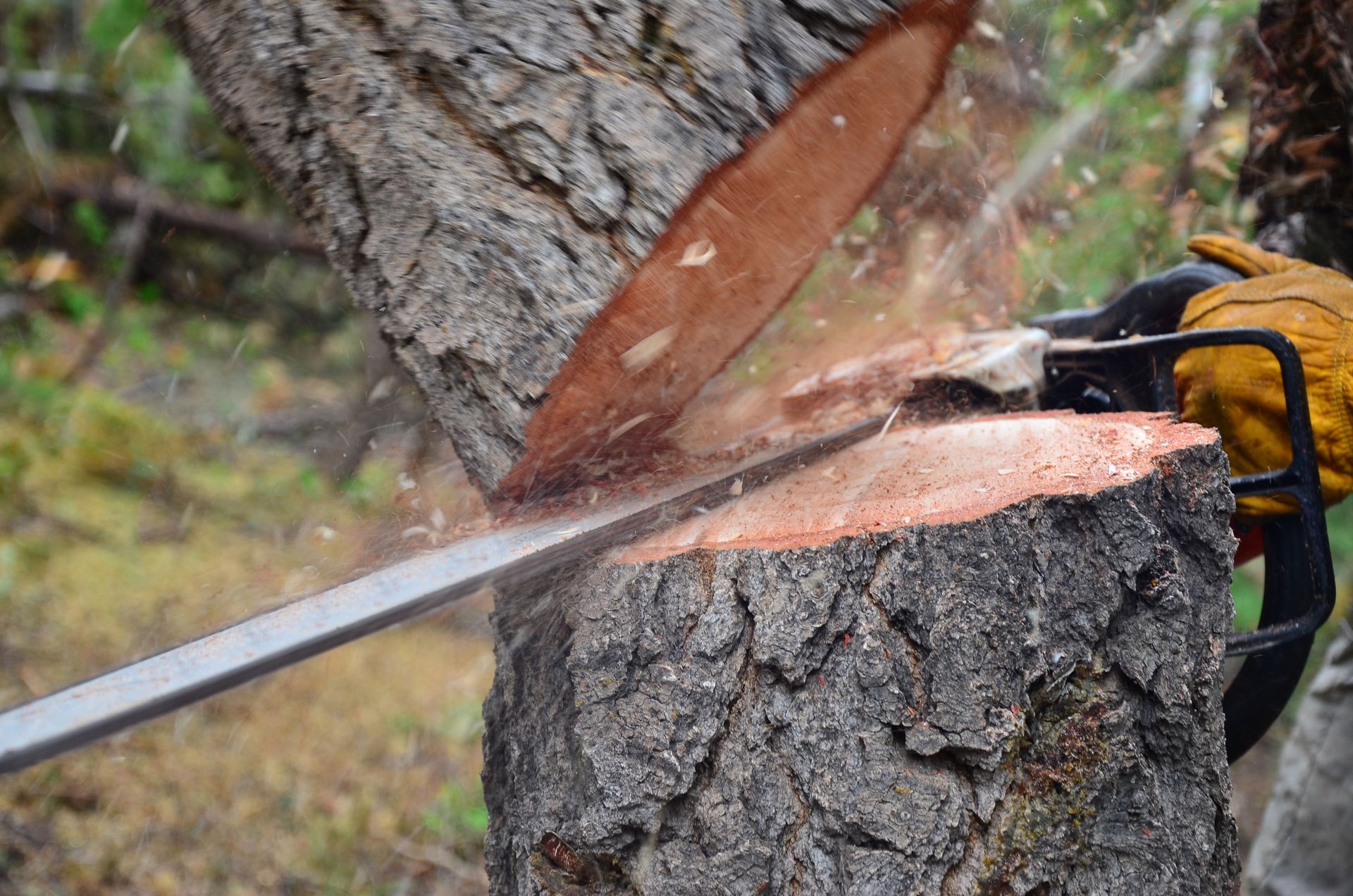
Routine tree trimming helps eliminate these risks by maintaining a safe distance between tree limbs and your roofline. Professionals understand how to shape growth patterns without harming the tree, ensuring long-term protection for both your home and your landscape.
Preventing Gutter Clogs From Falling Leaves and Debris
Gutters are designed to channel water safely away from your home, but overhanging trees can quickly overwhelm this system. Leaves, twigs, seeds, and even small branches accumulate in gutters, creating blockages that prevent proper drainage.
When gutters clog, water begins to pool and overflow. This can lead to fascia board rot, siding damage, and even foundation issues if water is not directed away from the home. In colder climates, clogged gutters can also contribute to ice dams, which further strain roofing materials and increase the risk of leaks.
Consistent tree trimming reduces the volume of debris falling into your gutters, making maintenance more manageable and improving overall system performance. While gutter cleaning is still necessary, controlling the source of the debris is a far more effective long-term strategy.
Minimizing Moisture Buildup and Roof Deterioration
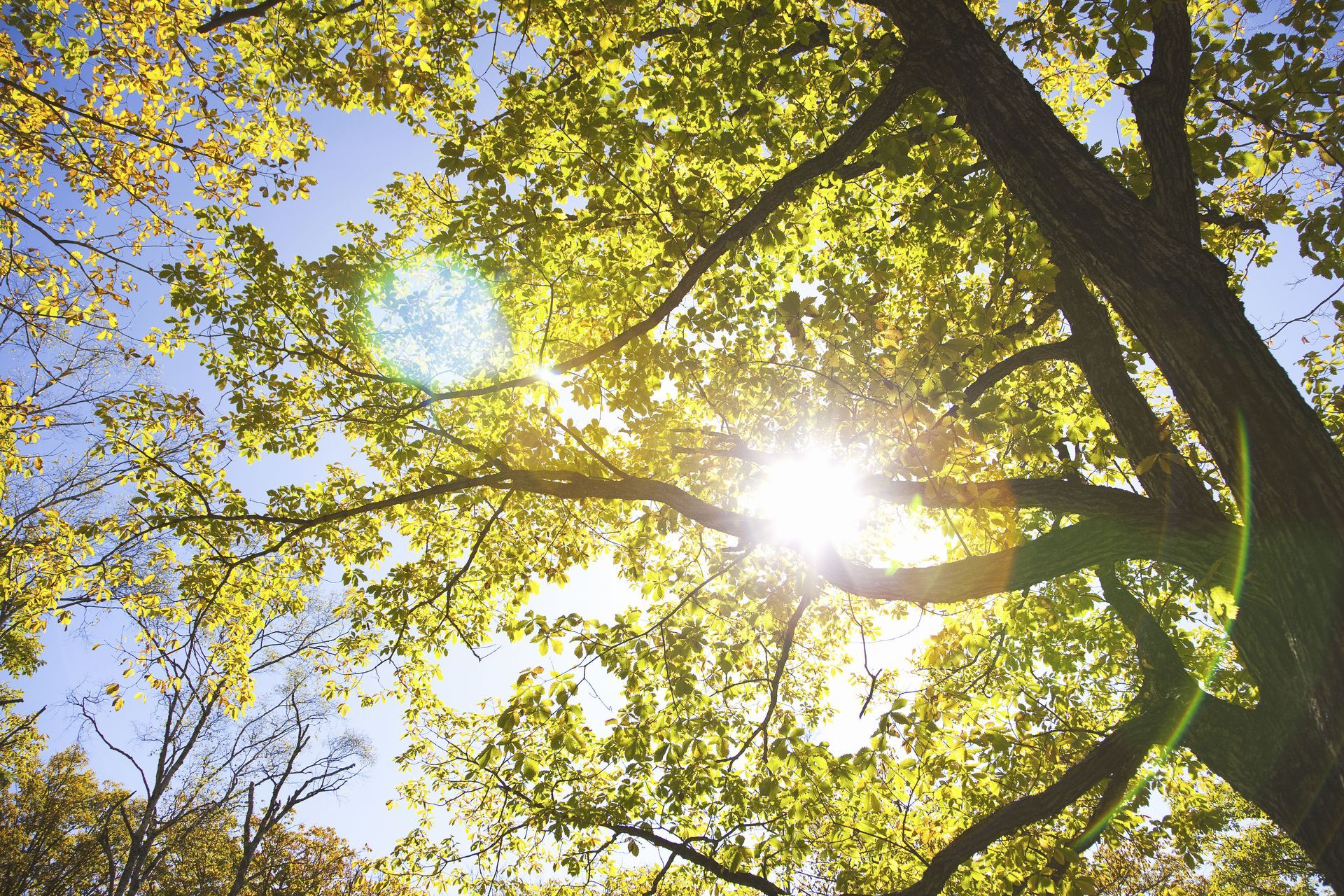
Dense, overgrown tree canopies can trap moisture on your roof by limiting sunlight and airflow. While shade may seem beneficial in reducing heat, excessive coverage prevents your roof from drying properly after rain, snow, or morning dew.
Persistent moisture creates an ideal environment for mold, mildew, and algae growth. These organisms not only discolor your roof but also accelerate material breakdown. Asphalt shingles, in particular, are vulnerable to prolonged damp conditions, which can shorten their lifespan significantly.
Strategic tree trimming allows for better air circulation and sunlight exposure, helping your roof dry more efficiently. This simple adjustment can dramatically reduce the risk of moisture-related damage and extend the life of your roofing system.
Avoiding Pest Infestations Linked to Tree Proximity
Overgrown trees can act as a bridge for pests seeking access to your home. Rodents, insects, and even larger animals can use branches to reach your roof, attic, or gutters. Once inside, these pests can cause extensive damage, from chewing through insulation and wiring to contaminating living spaces.
Clogged gutters filled with organic debris also create an inviting environment for insects such as mosquitoes, ants, and termites. Standing water and decomposing leaves provide the perfect breeding ground.
By maintaining proper clearance through regular tree trimming, you reduce the likelihood of pests gaining easy access to your home. This not only protects your property but also helps maintain a healthier living environment.
Reducing Structural Stress During Storm Conditions
Storms amplify the risks associated with overgrown trees. Heavy winds can cause branches to sway violently, increasing the likelihood of impact with your roof and gutters. Rain-saturated limbs become heavier and more prone to breaking, while snow and ice accumulation can add additional stress.
Even if branches don't break, repeated impact can weaken roofing components over time. Gutters, which are not designed to withstand heavy force, can bend, detach, or collapse under pressure from falling debris.
Professional tree trimming focuses on removing weak, dead, or overextended branches before they become a hazard. This proactive approach significantly reduces the risk of storm-related damage and helps protect your home during extreme weather events.
Understanding Cost Factors Related to Tree Maintenance
Many homeowners delay tree maintenance due to cost concerns, but neglect often leads to far more expensive repairs down the line. The price of tree work can vary based on several factors, including size, location, and complexity.
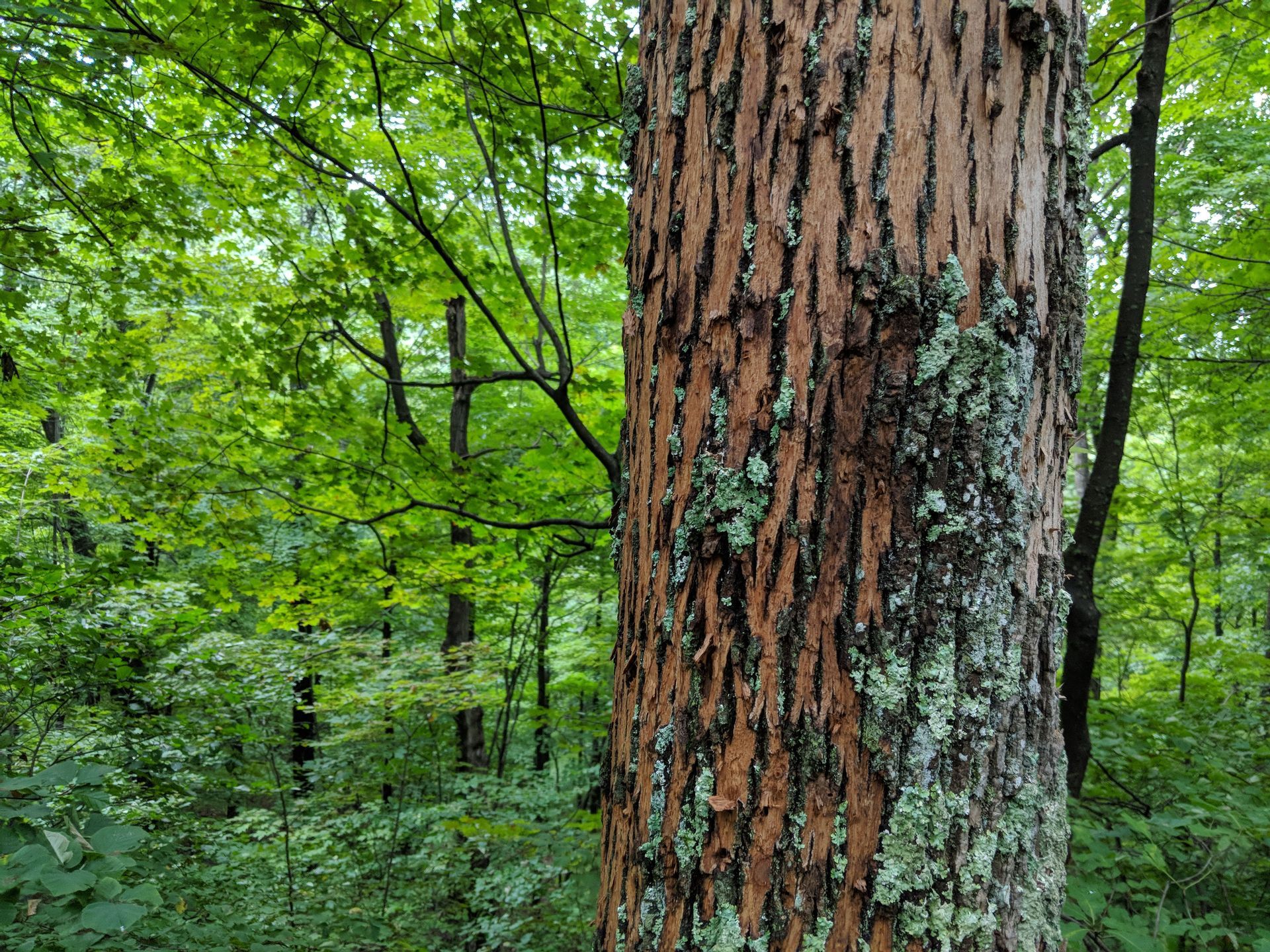
According to Bob Vila, one of the key variables in determining tree removal pricing is the trunk's diameter, typically measured at about 4.5 feet above the ground. Larger diameters generally indicate more labor-intensive work, which increases overall cost.
This insight underscores the importance of early intervention. Regular tree trimming is typically far more affordable than full removal and helps prevent trees from reaching a size where maintenance becomes significantly more complex and expensive.
Preserving Gutter Integrity Through Preventive Care
Your gutter system is only as effective as its structural integrity. Overgrown trees can compromise this by dropping heavy debris that causes sagging or misalignment. Once gutters begin to pull away from the roofline, they lose their ability to direct water properly.
Improper drainage can lead to water infiltration behind siding, erosion around your foundation, and damage to landscaping. In some cases, sections of the gutter may need to be completely replaced.
Consistent tree trimming reduces the strain on your gutters by minimizing debris accumulation and preventing heavy impacts. This helps maintain proper alignment and ensures your drainage system functions as intended.
Extending Roof Lifespan Through Regular Maintenance
Your roof is one of the most significant investments in your home, and its longevity depends heavily on proper maintenance. Overgrown trees introduce multiple risk factors that can shorten their lifespan, from physical damage to moisture retention and pest activity.
By incorporating tree trimming into your regular home maintenance routine, you create a protective buffer around your roof. This not only reduces wear and tear but also helps identify potential issues early, before they escalate into major problems.
Professional arborists can assess tree health, identify structural weaknesses, and recommend targeted trimming strategies that support both tree growth and home protection.
Overgrown trees may seem harmless at first, but their impact on your roof and gutters can be significant. From physical damage and clogged drainage systems to moisture buildup and pest infestations, the risks are both diverse and costly.
The good news is that these issues are largely preventable. Regular tree trimming not only protects your home's structural components but also enhances the health and appearance of your landscape. When done correctly, it's a strategic investment that saves money and reduces stress over time.
If your property has trees growing close to your home, now is the time to take action. At JMV Professional Tree Service LLC, we specialize in safe, effective tree trimming that protects your roof, gutters, and overall property. Contact us today to schedule an assessment and keep your home protected year-round.