May 14, 2026
Maintaining the health of your landscape requires a vigilant eye for subtle changes in your timber. Identifying decay early can prevent property damage and keep your outdoor space safe. While some issues are minor, others indicate a structural failure that necessitates professional tree removal to protect your home and family. Proper observation allows you to act before a hazardous situation develops on your lawn.
Observing Significant Bark Abnormalities
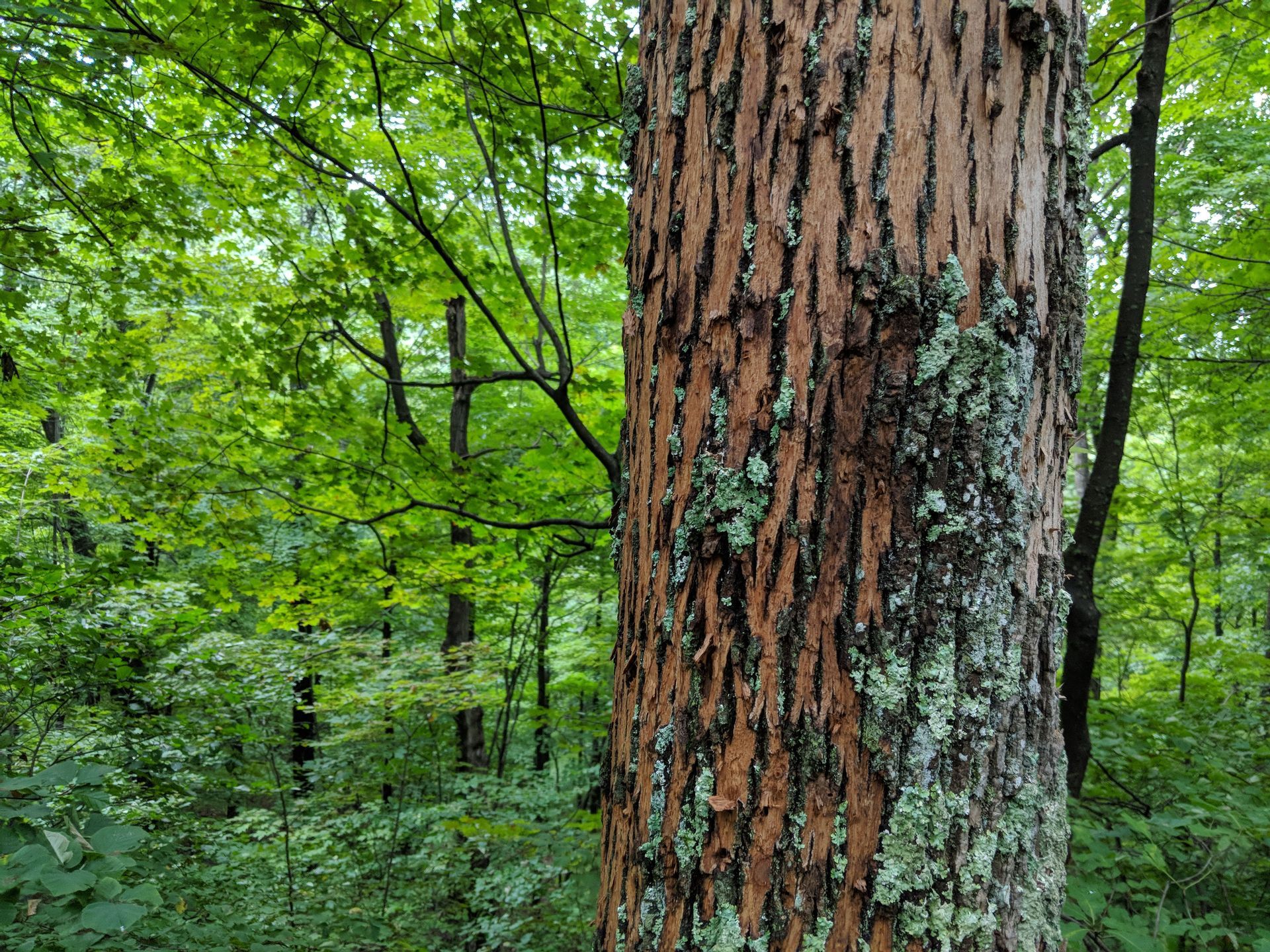
A healthy bark should act as a continuous protective layer for the inner vascular system. When you notice deep cracks that penetrate the trunk or large sections of bark peeling away, the specimen is likely under extreme stress. This shedding often reveals rotting wood or fungal growth underneath, which suggests that the internal support system is failing. Brittle bark that falls off in large chunks without being replaced by new growth is a definitive red flag.
Fungus growing at the base of the trunk or on the main flare is another red flag. These mushrooms, known as conks, feed on decaying organic matter. Their presence usually means the roots or the heartwood are rotting from the inside out. In such cases, the structural integrity of the plant is compromised, making tree removal a necessary step for safety. Once these reproductive structures of the fungi appear, the internal damage is often quite advanced.
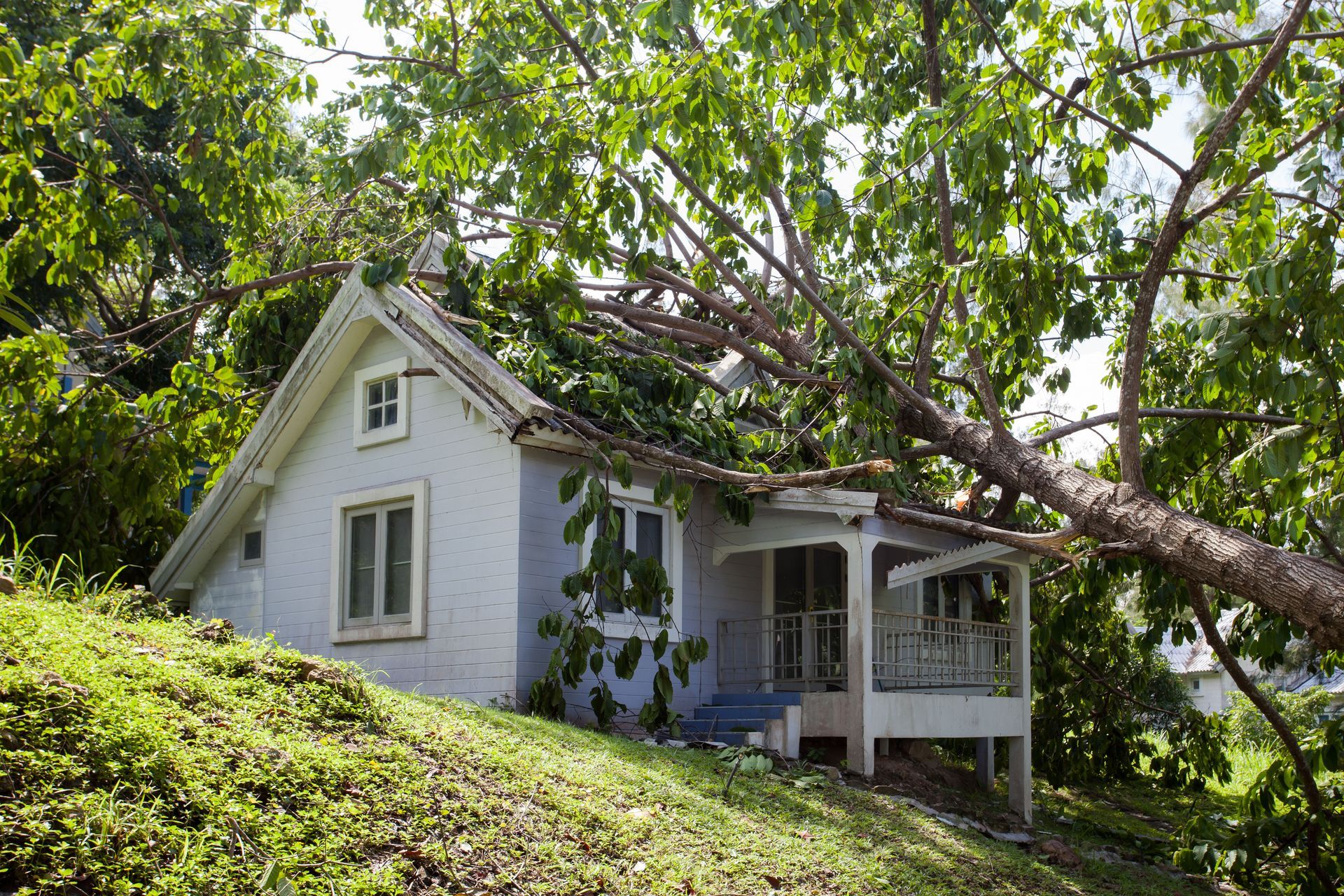
According to Bob Vila, a medium-sized tree is between 30 and 60 feet tall. Even at this scale, a falling trunk can cause massive destruction. Inspecting the bark for vertical splits or "cankers" helps you identify areas where the wood is no longer living. If the bark does not regrow or if the area feels soft to the touch, the circulation of nutrients has likely stopped entirely. These deep gashes serve as permanent scars that invite further infection from opportunistic pathogens.
Identifying Dead or Falling Branches
The canopy provides the most visible clues regarding the overall vitality of your vegetation. Deadwood is a primary indicator of decline, characterized by brittle branches that lack buds or leaves during the growing season. If the upper third of the canopy is bare while the bottom remains green, the specimen is experiencing "dieback," which often precedes total failure. This top-down decline suggests the vascular system can no longer pump water to the highest points.
Branches that hang precariously or drop without the presence of high winds indicate a "self-pruning" mechanism caused by starvation. The plant is withdrawing resources from its extremities to try to keep the main trunk alive. This creates a high risk for pedestrians or structures located underneath the heavy timber. Proactive tree removal prevents these heavy limbs from causing unexpected accidents during a storm. Gravity eventually takes its toll on these unattached or weakened structural elements.
You can test the health of smaller limbs by performing a scratch test. Use a fingernail to peel back a tiny bit of the outer layer. If the tissue underneath is brown and dry rather than green and moist, that section is dead. When this brittleness spreads across multiple large leaders, the organism can no longer sustain its own weight or withstand local weather patterns. A lack of flexibility in the twigs indicates that the sap is no longer flowing through the branch.
Detecting Root System Instability
The root system is the foundation of any large plant, yet it is often the most overlooked component. Evidence of root distress frequently appears as a noticeable lean that has developed suddenly. If the soil at the base of the trunk is heaving or lifting, the roots are no longer anchoring the weight effectively against gravity. A tree that shifts its position over a short period of time is an immediate safety concern.
Construction or landscaping projects near the drip line can inadvertently sever critical underground networks. Compacted soil prevents oxygen and water from reaching the feeder roots, leading to a slow decline over several seasons. If you see significant fungal clusters appearing in a circle around the base, the underground support structure is likely experiencing advanced stages of decomposition. Severing even a few major anchor roots can lead to a catastrophic failure of the entire upright structure.
Once the roots lose their grip, the entire structure becomes a liability. A leaning trunk combined with cracked soil is a definitive sign of instability. Expert intervention is required to assess the lean, as tree removal is often the only way to manage a specimen that has lost its physical connection to the earth. Ignoring root rot leads to unpredictable falls that happen even on calm, clear days.
Recognizing Unusual Leaf Discoloration
Foliage serves as the engine for growth, turning sunlight into energy. When leaves turn yellow or brown out of season, it signals a disruption in water transport. If the leaves are undersized, sparse, or distorted, the specimen is struggling to perform basic biological functions. A thinning canopy allows too much sunlight to hit the interior branches, which further stresses the organism.
Leaves dropping in the middle of summer is a major warning sign that should not be ignored. While some minor spotting can be attributed to seasonal pests, a total loss of leaves suggests the vascular system is blocked. This blockage might be caused by systemic diseases that spread through the wood, eventually killing the entire organism from the top down. Sudden defoliation is a desperate survival tactic that rarely succeeds in the long term.
Observe the color of the veins versus the rest of the leaf. If the veins remain green while the rest of the tissue turns pale, the plant is likely suffering from chlorosis. Persistent discoloration over two or more seasons indicates that the vitality of the specimen is beyond natural recovery. At this point, tree removal serves to stop the spread of potential pathogens to neighboring healthy plants in your yard.
Evaluating Trunk Cavities and Holes
Holes in a trunk can be caused by various factors, including woodpeckers or boring insects. While a small hole might seem harmless, it often provides an entry point for moisture and decay-causing organisms. If these cavities become large enough to hold water, the interior wood will begin to soften and rot, hollowing out the core. Over time, these small entry points lead to massive structural weaknesses that are invisible from the outside.
Significant hollows at the main crotch or base of the trunk weaken the mechanical strength of the wood. You might notice sawdust-like material, known as frass, collecting at the bottom of the holes. This indicates that wood-boring insects are active, further compromising the interior. A hollow shell cannot support a heavy canopy, especially when faced with the pressure of high winds or heavy snow. The loss of heartwood removes the primary pillar that keeps the plant standing tall.
If a cavity occupies more than one-third of the trunk's circumference, the specimen is generally considered a high risk. Internal decay is difficult to see from the outside, but large open wounds are a clear window into the plant's declining health. Opting for tree removal before the trunk snaps allows for a controlled process that avoids damage to fences, power lines, or nearby gardening features. A hollowed trunk acts much like a drinking straw that has been crimped or crushed.
Recognizing these symptoms allows property owners to make informed decisions about tree removal and their landscape. Monitoring bark, branches, roots, leaves, and the main trunk provides a comprehensive view of biological health. When signs of decay become prominent, professional intervention is the most effective way to maintain a safe and beautiful outdoor environment for years. Attentive care and timely action keep your property flourishing and secure, so reach out to JMV Professional Tree Service LLC to schedule your property assessment.