April 13, 2026
Trees play a vital role in our environment, but there are times when they become more of a liability than an asset. Knowing when to call in experts for professional intervention can help prevent damage, maintain safety, and ensure your property remains in top condition. This article explores the scenarios that necessitate professional tree removal and highlights the benefits of expert intervention. While trees offer shade, beauty, and ecological benefits, they can also present significant hazards if not properly maintained. Timely intervention and expert advice are crucial to managing these green giants responsibly in the U.S.
Understanding Tree Health and Hazards
Tree health is a critical factor in determining whether removal might be necessary. Trees suffering from advanced diseases or extensive decay can become dangerous over time. Common diseases include fungal infections like Armillaria root rot and canker diseases. When left unchecked, these conditions can compromise the structural integrity of trees, creating hazards for property and people.
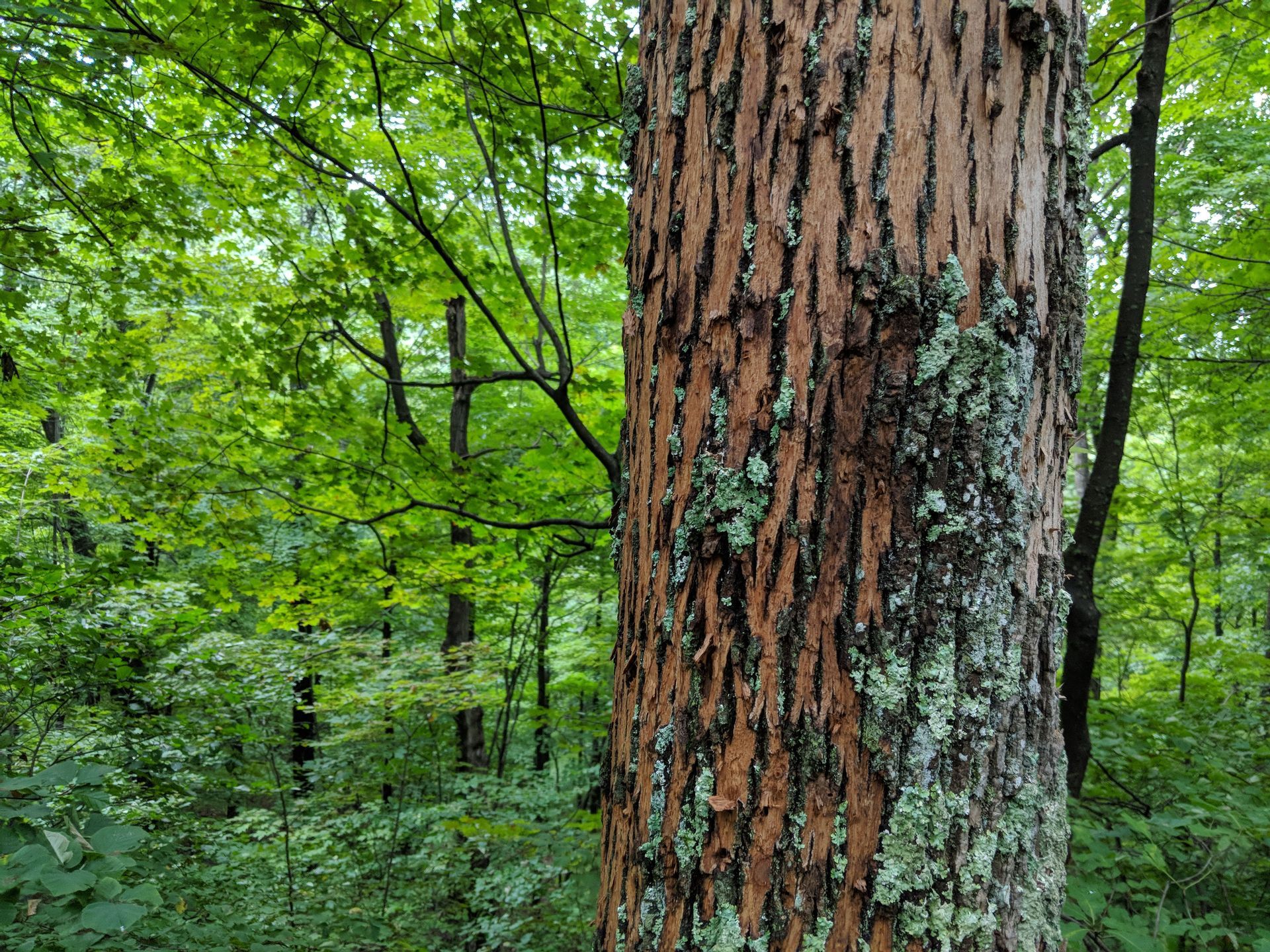
Decaying trees often exhibit signs such as peeling bark, dying branches, and mushroom growth around the base. If you observe these symptoms, a professional assessment is advisable to determine the tree's viability. Comparable issues occur when trees host diseases that spread swiftly, jeopardizing nearby vegetation. Professional arborists provide the expertise needed to diagnose and eliminate these threats before they escalate.
Recognizing Dangerous Growth Patterns
Trees with erratic growth patterns often pose a hidden threat. Branches growing over rooftops or leaning heavily towards structures increase the likelihood of accidents during storms or high winds. A professional inspection can pinpoint these issues before they lead to damage. Corrective pruning might offer a solution, but in some cases, tree removal is the only viable recommendation.
Divergent growth patterns are not just visually unappealing but can signal deeper health issues. When branches intertwine with power lines or hover perilously close to homes, the risk factor multiplies. Prolonged neglect can lead to emergencies requiring swift intervention.
Managing Invasive Roots
Invasive root systems are a particularly troublesome issue for many property owners. Roots that extend into plumbing lines or beneath foundations can result in extensive and costly damage. These roots may stealthily spread far from the tree itself, hidden from view until problems surface.
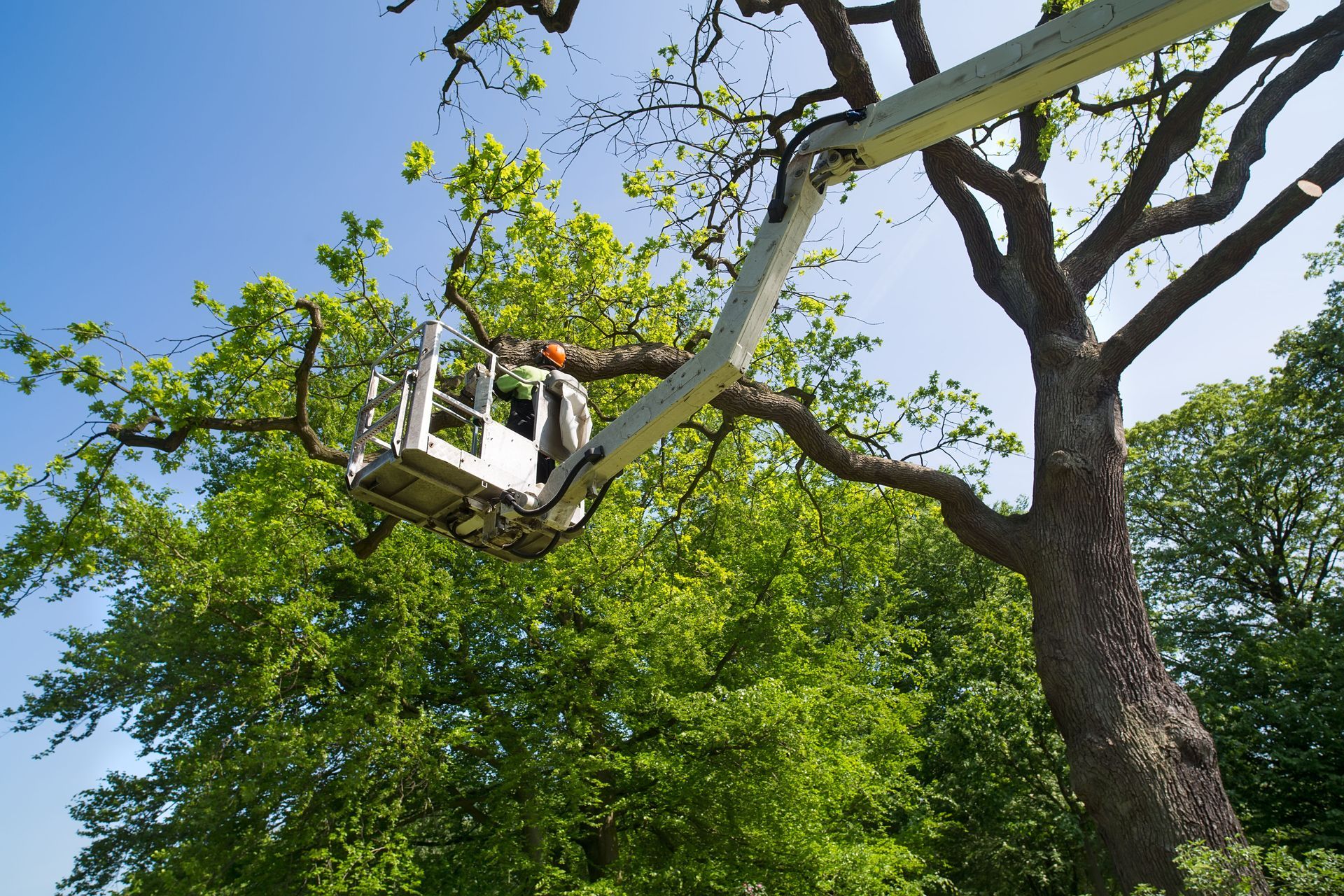
Professional intervention is often required for large, established trees, especially those with complex root systems. According to Bob Vila, a well-known home improvement authority, the use of heavy machinery is often required to safely extract large trees that stand between 60 and 80 feet tall. In such cases, only a professional with specific equipment can tackle the project safely and efficiently. This expertise provides minimal impact on surrounding landscapes and structures during the process.
Monitoring Leaning Trees
Leaning trees pose a particular risk that can be easily underestimated. While some leaning is natural, excessive angling often indicates instability, potentially leading to unexpected toppling. Factors contributing to a tree's lean include root damage, soil erosion, or uneven growth. Professional evaluation is vital in determining whether the lean indicates a hazard serious enough to warrant action.
Unattended leaning trees can escalate quickly into imminent dangers, particularly during severe weather. High winds and heavy rains exacerbate lean-induced instability, making it crucial to take proactive measures. Expert advice ensures the property remains secure against unexpected weather events.
Assessing Environmental and Structural Risks
Trees growing too close to power lines and structures present a substantial safety hazard. Over time, branches might interfere with power lines, leading to outages or fires. Building regulations often mandate clearances between trees and overhead utilities to mitigate these risks. In densely landscaped areas, professional tree removal may become necessary to ensure compliance and safety.
Improper management of such trees can lead to legal and financial implications beyond mere structural damage. Lawsuits may arise if trees cause damage to neighboring property lines, especially when power services are affected. Professional services offer the expertise needed to address these complex issues, providing that properties remain safe and code-compliant.
Performing Risk Assessment for Storm Damage
Storm conditions can amplify the dangers posed by insufficiently managed trees. High winds, heavy rain, or snow burden can lead to falling branches or whole trees, thus endangering life and property. Preemptive tree removal of weakened or precariously placed trees is advisable to counteract such threats.
The financial consequences of storm damage from trees can be extensive, often far exceeding the cost of pre-storm maintenance. Insurance claims related to tree damage rise significantly after major weather events, highlighting the need for preventative approaches. Structural stability, growth hazards, and environmental context are all crucial considerations in formulating comprehensive storm preparedness plans.
Reviewing Impact on Driveways and Pathways
Tree roots that extend beneath driveways and pathways can create significant safety hazards. As roots grow, they can disrupt surfaces, creating trip hazards and compromising aesthetics.
Addressing these issues typically demands expert evaluation to gauge the most feasible solution.
While prevention remains a leading approach for root-related disruptions, experienced arborists offer remedial solutions when problems arise. Tree removal often provides a permanent fix, but more subtle approaches like root barriers or subsurface treatments may offer solutions. Balancing practical and aesthetic considerations, arborists evaluate various options for preserving pathway functionality.
Measuring Soil Erosion
Soil erosion represents a gradual but significant threat to tree stability. Trees situated on slopes or near water bodies are especially vulnerable to erosion-driven instability. As soil levels decline, trees lose critical support, resulting in potential leaning or collapse. Professional assessments can determine whether removal or stabilization represents the optimal course of action.
Managing erosion through interventions like terracing or retaining walls can preserve root integrity, avoiding unnecessary extractions. Left unchecked, erosion can significantly impact the overall health of a tree while presenting broader environmental challenges. Proactive management of soil properties prevents tree instability while fostering site durability.
Analyzing the Importance of Professional Assessments
Professional arborists bring a wealth of knowledge and training to their role in tree assessments. They can readily identify threats and health issues that non-experts may overlook, providing critical interventions to prevent larger problems. Their insights extend beyond decorative aims, emphasizing sustainability, safety, and landscape longevity.
Engaging professionals yields a plethora of benefits extending well beyond mere technical competence. Their comprehensive understanding of tree physiology, soil conditions, and regional variations guides optimal tree care practices. Professionals provide tree removal that occurs in harmony with existing environmental regulations and safety protocols.
Maintaining Safety Considerations
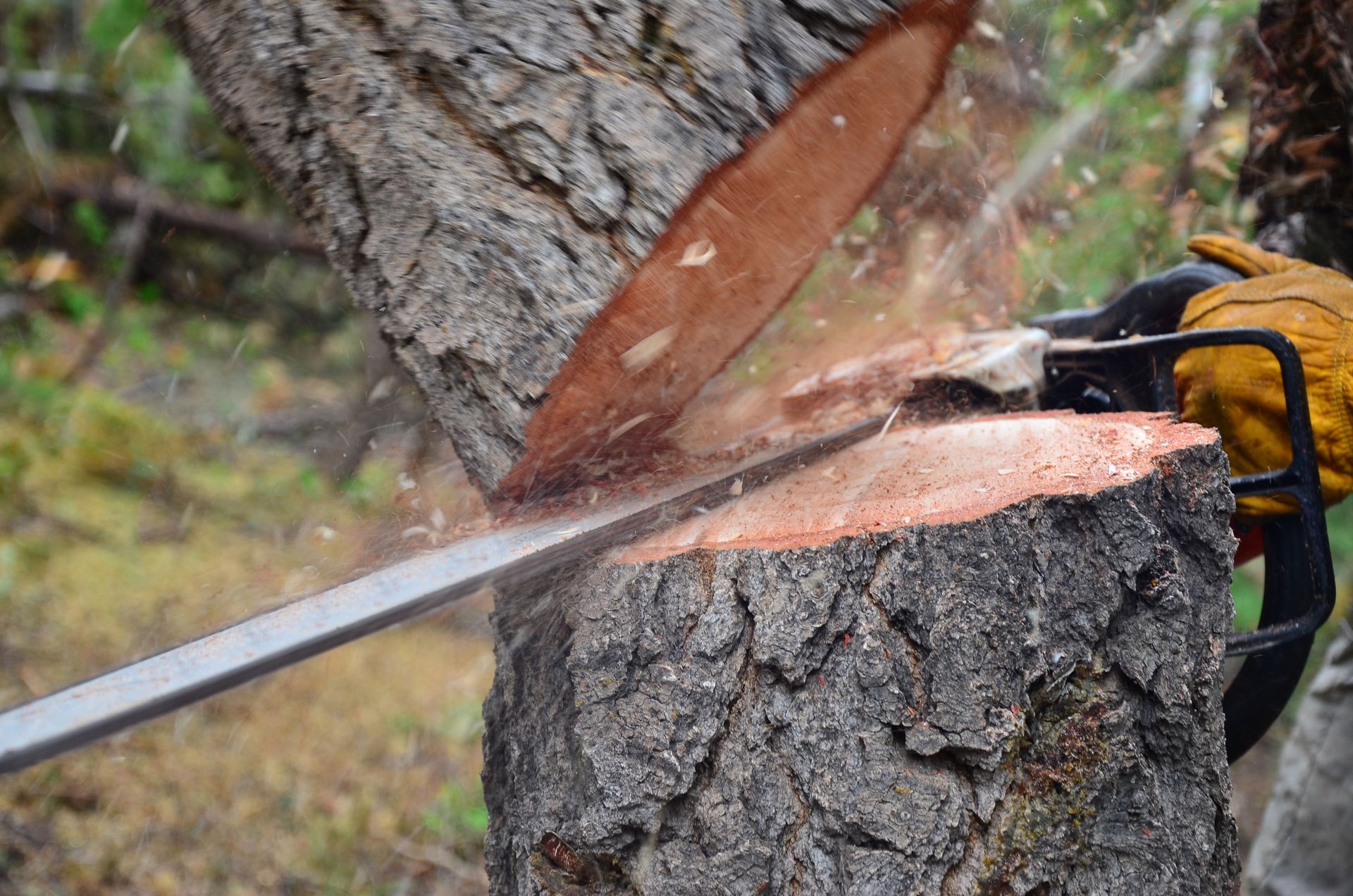
Professional handling of these processes significantly mitigates safety risks. Arborists have unique training to approach these dangerous tasks in a manner that protects life and property. Untrained individuals undertaking such work risk severe injury due to falling branches, the use of heavy equipment, or unpredictable weather conditions.
Execution of these tasks under professional oversight optimizes safety solutions, thereby enhancing community welfare. Arborists leverage their experience to perform complex operations, including safe navigation of modern technological gear. Skillfully choreographed actions affirm commitment to community safety and arboricultural integrity.
Navigating Legal Compliance and Permits
Navigating legal requirements underscores the need for professional expertise. Jurisdictions and municipalities have specific regulations addressing these activities, often mandating permits before action commences. Unawareness or non-compliance with these codes may result in substantial fines for property owners.
Arborists, versed in multiple legal prerequisites, reliably plan projects in adherence to requisite permits. This thorough approach protects clients against penalties while simultaneously engendering goodwill across communities. Professionals serve as liaisons, negotiating regulations within legal frameworks sensitive to ecological integrity.
Deciding to pursue professional intervention is a strategic choice that benefits both the property owner and the local ecosystem. By recognizing the signs of decay, hazardous growth, and structural instability early, you can prevent costly accidents and preserve the aesthetic value of your landscape. Professional arborists provide the technical skill, equipment, and legal knowledge necessary to handle these green giants safely and effectively.
If you suspect a tree on your property has become a hazard or is showing signs of terminal disease, do not wait for a storm to decide for you. Contact JMV Professional Tree Service LLC today for an expert evaluation and safe, efficient tree removal to keep your property beautiful and secure.