March 31, 2026
Understand the critical circumstances that call for emergency tree removal. Learn why timely action is essential and the potential risks of delayed removal. Trees are fundamental to ecosystems and urban landscapes, offering shade, beauty, and ecological benefits. However, they can also become significant hazards under certain conditions. Identifying these scenarios swiftly can prevent accidents and costly damages, underlining the importance of emergency tree removal services.
Assessing Immediate Threats
Danger to People
Tree-related hazards to human safety are a principal concern in emergency tree removal. When trees are diseased or structurally compromised, they can suddenly fall, posing a serious risk to people nearby. Events like branches breaking off can result in injuries or even fatalities. Urban areas particularly face these dangers due to the proximity of trees to pedestrian walkways and public spaces. Recognizing signs of instability, such as large dead branches, should prompt immediate action to mitigate risks to human life.
Risk to Property
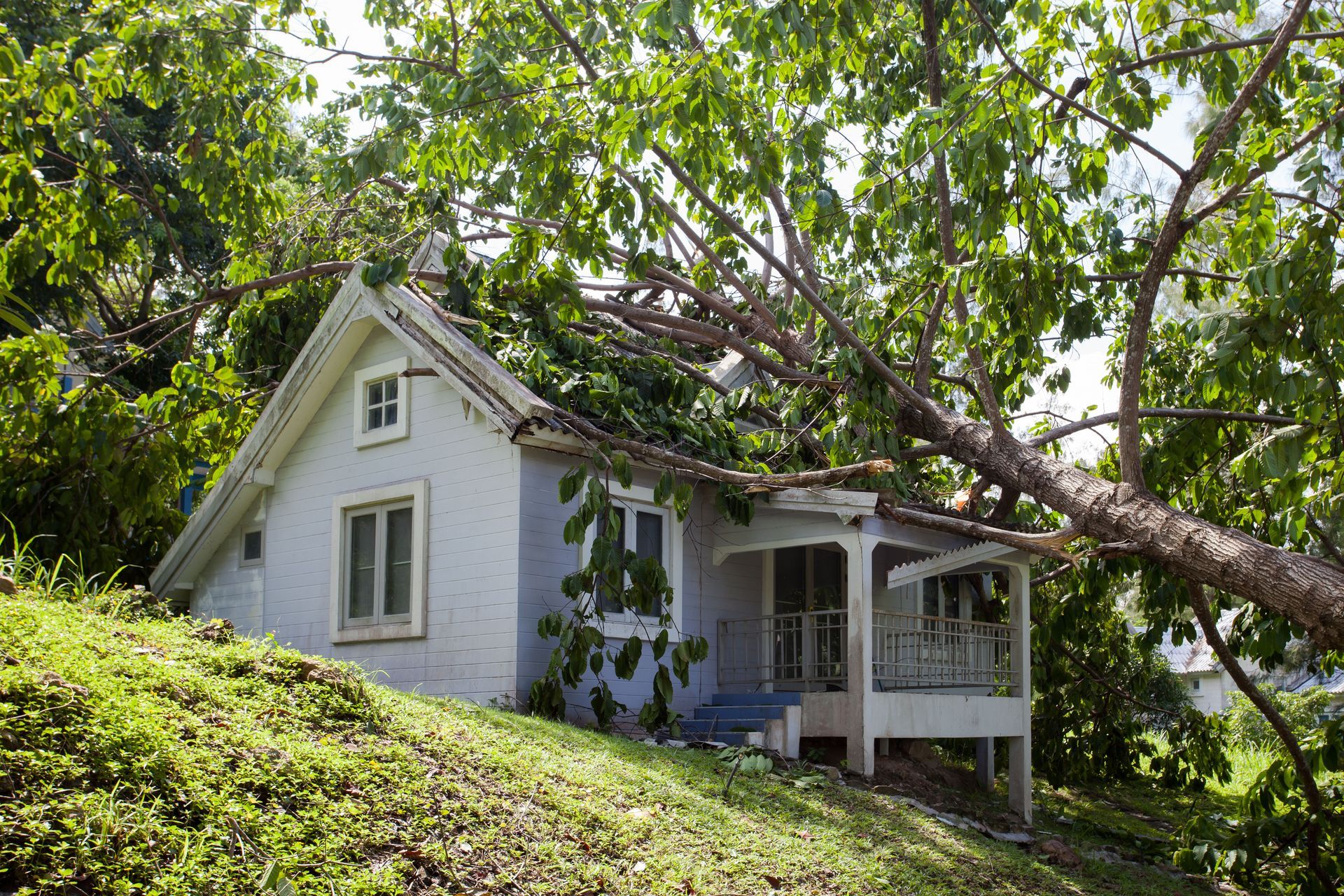
Trees not only pose risks to individuals but also to property. A tree falling on a house, car, or utility lines can cause extensive damage, leading to costly repairs and potential insurance claims. The weight and size of mature trees make them especially threatening in storms or high winds. Homeowners should regularly inspect trees in their vicinity for signs of decay or structural weakness, such as hollow trunks or root damage. According to the University of Maryland Extension, if over 50% of the root system is damaged, a tree should probably be removed to prevent property harm.
Obstruction of Critical Pathways
Another scenario necessitating emergency tree removal involves trees obstructing roads or pathways. Such obstructions can disrupt daily activities, hamper access to essential services, and create traffic hazards. Emergency vehicles, in particular, rely on clear pathways to promptly reach destinations, and blocked roads can significantly delay their response times. In certain regions, community safety plans include rapid clearance of such obstacles to maintain public safety. Thus, addressing fallen or obstructive trees without delay is vital to ensure uninterrupted mobility and operational functionality.
Power Line Interference
When trees interfere with power lines, the consequences can be severe and wide-reaching. Branches can snap during storms and fall onto lines, causing outages and potential fires. This interference disrupts electricity supply and poses a fire hazard, affecting both residential and commercial properties. Utility companies and local governments often prioritize tree removal or trimming around power lines to prevent such issues. Emergency tree services are frequently called upon to swiftly and safely address interference, ensuring power continuity and public safety.
Signs of Structural Instability
Identifying structural instability in trees is crucial to preemptively addressing potential hazards. Signs such as cracks in the trunk, leaning trees, or the presence of fungi often indicate a compromised structure. Professional assessment is typically required to evaluate the severity and determine appropriate action. Trees in such conditions are predisposed to falling, especially under added stress from wind or weight. Regular inspections help detect these signs early, enabling timely interventions to avert dangerous consequences.
Biological Factors
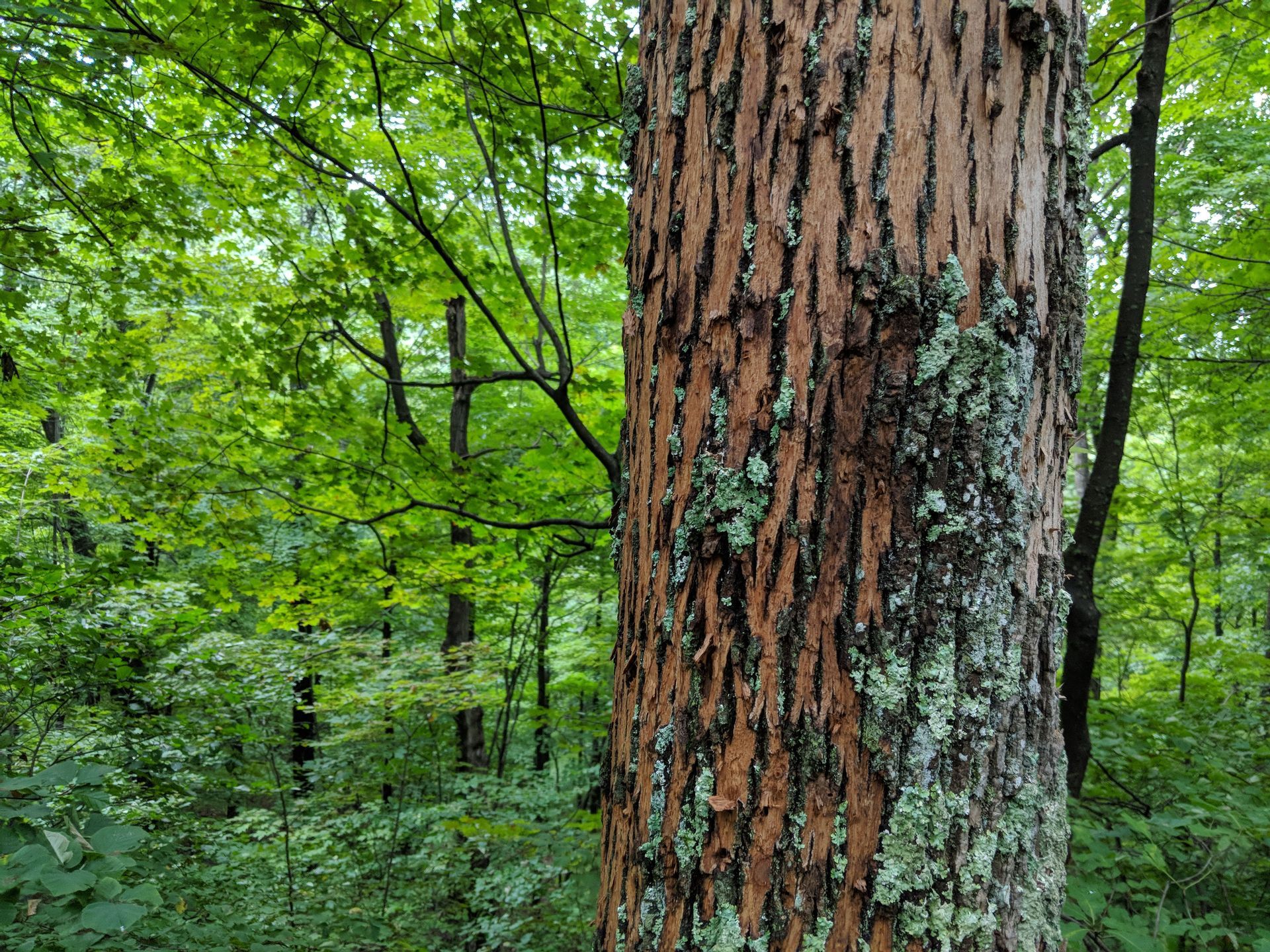
Several biological factors can necessitate emergency tree removal, ranging from pest infestations to fungal infections. Pests like borers or termites can erode a tree's integrity, making it unstable and prone to falling. Similarly, fungal diseases compromise wood strength, increasing fall risk. Decay is a gradual process that often goes unnoticed until it poses an urgent threat. By then, the tree might be too far gone, with immediate removal becoming the only safe option to prevent accidents.
Weather-Related Triggers
Post-Storm Damage
Post-storm damage is one of the most common triggers for emergency tree removal. Severe weather conditions such as hurricanes, tornadoes, or even intense thunderstorms can significantly damage tree structures. Heavy rains, coupled with strong winds, can uproot trees, leading to dangerous blockages on roads or damage to buildings. After such events, inspecting trees for hidden cracks or splits is essential to prevent future accidents. Additionally, swift removal of damaged trees is critical to ensure community safety and restore normalcy.
Ice and Snow Accumulation
The buildup of ice and snow can severely impact tree stability, leading to emergency removal needs. Ice accumulation adds considerable weight to branches, increasing the likelihood of breakage. In regions prone to heavy winter weather, preventative pruning helps reduce this risk by ensuring branches are less susceptible to heavy loads. Snow's persistent presence can also weaken tree structure over time, requiring periodic examination. When branches or entire trees collapse under the weight of snow and ice, immediate action is crucial to mitigate risks and maintain public safety.
Wind-Related Uprooting
Wind presents a formidable force capable of uprooting even mature, healthy trees. High winds exert pressure on trees, especially those with extensive canopies or compromised root systems. The force can unearth roots, leading to the collapse of the tree, particularly in areas with loose or saturated soil. Landscapes with shallow-rooted species are particularly vulnerable to wind-related uprooting. Preemptive actions like wind-proofing landscapes through strategic planting and maintenance can minimize the impact when adverse weather strikes.
Flooding Conditions
Flooding poses unique challenges for tree stability, often causing the need for emergency removal. Saturated soil loses its structural integrity, destabilizing trees and making them more likely to fall. Flooded areas may experience heightened root damage, exacerbating the risk of tree collapse. Swift assessment and action are necessary when floods undermine root systems, threatening nearby structures. In urban areas, drainage solutions and strategic planting can mitigate the destructive impact of floods on trees and surrounding properties.
Lightning Strikes
Lightning strikes inflict sudden and often extensive damage to trees, warranting emergency removal in many cases. The intensity of a lightning strike can split tree trunks, completely burning the inside while leaving the exterior intact. This hidden damage poses unseen dangers to people and property. Post-lightning inspection of trees is crucial to determine the extent of the damage and the necessity for removal. Tree grounding and other protective measures can be employed to protect trees in lightning-prone areas.
Pest Infestation
Pest infestations are a biological factor severely impacting tree health, leading to emergency situations. Insects such as bark beetles and emerald ash borers devastate tree tissues, weakening their structure. Infested trees become unstable and prone to falling, posing immediate risks to surroundings. Quick detection and intervention are vital to prevent the spread of pests and further deterioration. Effective pest control and removal of severely affected trees are crucial steps to protect broader forested areas or individual landscapes.
Assessing Tree Health
Visible Cracks and Splits
Cracks and splits in trees are hallmarks of structural weakness, often necessitating emergency attention. These can occur naturally or result from physical damage, diseases, and environmental stress. When deep or located in critical areas like the trunk, they significantly increase the risk of tree failure. Professional evaluation should determine if the cracks compromise tree stability, requiring pruning or, more often, removal to prevent accidents. Regular monitoring for these signs helps manage potential hazards and prolong tree life.
In conclusion, recognizing the critical need for emergency tree removal under varied circumstances is essential for ensuring safety and property preservation. Rigorous assessments, regularly scheduled maintenance, and informed community involvement are vital strategies in managing tree risks. Proactive measures, such as regular inspections and community awareness programs, empower both individuals and organizations to address potential hazards effectively. By prioritizing these actions, we not only protect our environments and communities but also ensure the continued benefits that healthy trees provide. Emphasizing timely responses aligns with environmental stewardship, fostering a safer and more resilient interaction between human activities and natural landscapes. Be sure to reach out to JMV Professional Tree Service LLC today for more information on our professional tree removal companies!